Our Medical BlogAenean lacinia bibendum nulla sed consectetur. Maecenas faucibus mollis interdum. Nulla vitae elit libero, a pharetra augue. Vivamus sagittis lacus vel augue laoreet rutrum faucibu. Better Health Care is Our Mission24/7 service. Same Day Appointments...

Understanding In-Home Personal Care Support
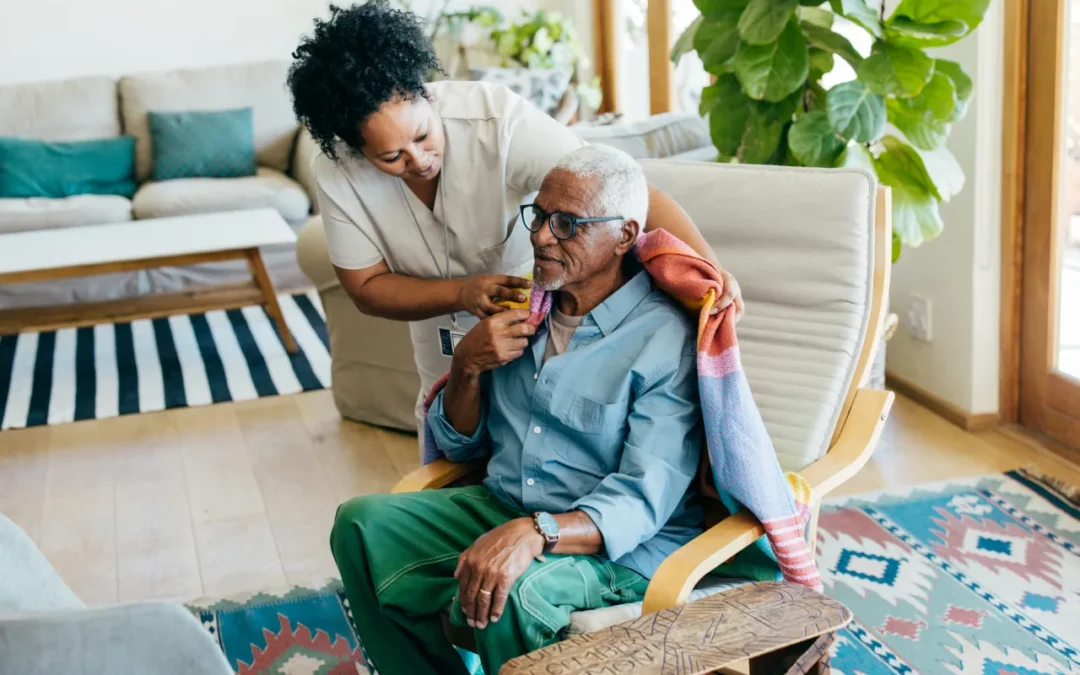
Stay Independent, Stay Home: The Future of Personalized Care
Imagine recovering from surgery, managing a chronic condition, or supporting a loved one with a disability, all without the stress of assisted living transitions. This is the growing reality for countless families across the U.S. who are turning to in-home personal care as a preferred solution for long-term support and recovery. With more adults seeking ways to maintain autonomy while receiving essential personal care, home-based services are quickly becoming a cornerstone of modern health support, particularly in communities from Myrtle Beach to Pawleys Island and beyond.
In-home personal care isn’t just about convenience; it’s a holistic approach that nurtures physical health, emotional well-being, and daily independence. Caregiving professionals bring tailored care directly to the doorstep, whether it’s medication reminders, mobility assistance, or companionship for those managing cognitive changes. By staying in a familiar environment, individuals often experience reduced anxiety, improved recovery times, and a stronger sense of control over their lives.
In this guide, you’ll learn how in-home care works, who benefits most, and what to consider when choosing the right support plan. You’ll also discover practical ways to evaluate care needs, understand service options, and make informed decisions that align with personal goals, all from the comfort of home.
Why In-Home Care Is Transforming Patient Support
Choosing the right in-home care environment can significantly impact recovery, comfort, and overall well-being. In-home personal care services offer a client-centered approach that prioritizes both personal needs and emotional comfort. One of the greatest advantages is the creation of personalized care plans tailored to individual health conditions, daily routines, and long-term goals. Experienced caregivers collaborate with families and physicians to adapt services, from mobility assistance to personal care, help with bathing, transportation, housekeeping, pet care, errands and much more, ensuring alignment with evolving needs.
Another key benefit is safety in familiar surroundings. Navigating a well-known home layout reduces the risk of falls and confusion, especially for seniors or those with cognitive challenges. Personal belongings, routines, and spaces remain consistent, promoting mental clarity and emotional stability. Unlike institutional settings, home environments naturally limit exposure to healthcare-associated infections. With fewer people coming and going, and with targeted sanitation protocols, the risk of contracting illnesses like flu or staph is considerably lower.
For families across the country seeking dependable support, in-home care provides a practical, compassionate solution that promotes independence while ensuring professional oversight. Whether in urban neighborhoods or quiet suburban communities, these services bring peace of mind to patients and caregivers alike.
7 Essential In-Home Personal Care Services That Support Independence and Well-Being
When aging adults or individuals recovering from illness stay in familiar surroundings, healing and daily functioning improve significantly. In-home care delivers critical support tailored to personal needs, enabling safer, more comfortable living. Here are seven core services commonly provided:
- Personal Care Assistance Help with bathing, dressing, grooming, and toileting ensures dignity and hygiene. Skilled caregivers follow personalized routines, adapting to mobility levels and medical conditions common among seniors in Myrtle Beach, SC and surrounding areas.
- Mobility Support From transferring from bed to chair to assisted walking, trained aides reduce fall risks. They use proper techniques and adaptive equipment, promoting confidence during movement throughout the home.
- Companionship and Emotional Support Loneliness impacts physical health. Regular social interaction, conversations, shared meals, or walks, boosts mental clarity and emotional resilience, especially for those living alone in Myrtle Beach or Columbia.
- Nutritional Planning and Meal Preparation Balanced, condition-specific meals support recovery and energy. Care providers cook according to dietary guidelines, accommodating needs like low-sodium or diabetic-friendly plans.
- Transportation to Medical Appointments Reliable rides to doctor visits ensure continuity of care, a vital service for clients without family support or access to public transit.
When to Consider In-Home Care: A Step-by-Step Guide for Families
Knowing when a loved one needs in-home healthcare support can be challenging, but taking a structured approach helps families make informed, compassionate decisions. Follow these actionable steps to assess readiness and ensure timely intervention.
1. Observe Daily Functioning Closely Look for consistent signs such as missed meals, unexplained weight loss, poor hygiene, or difficulty managing stairs. If your loved one struggles with activities of daily living (ADLs) like bathing, dressing, or housekeeping, it may be time to explore support options.
2. Evaluate Safety at Home Walk through the house and identify fall risks, loose rugs, poor lighting, or lack of grab bars in bathrooms. Consider whether your family member remembers to lock doors or turns off appliances. Safety concerns are key indicators that professional oversight is needed.
3. Monitor Cognitive and Emotional Changes Increased confusion, memory lapses, or withdrawal from social activities may signal cognitive decline. Early recognition allows families in cities like Myrtle Beach, Conway, or Little River to access localized support before emergencies arise.
4. Consult a Trusted Healthcare Professional Schedule a doctor’s visit to discuss your observations. Physicians can assess medical needs and recommend care levels appropriate for conditions like dementia, post-surgery recovery, or chronic illness management.
5. Research and Vet Caregivers Early Start by identifying providers with experienced caregivers, that are state licensed. Look for thorough background checks, experience with specific conditions, and strong client references. Early planning reduces stress and ensures better caregiver matches.
Frequently Asked Questions About In-Home Care Support
What types of services are available through in-home personal care? In-home care offers a broad range of support tailored to individual needs, including personal care assistance, mobility support, medication reminders, and companionship. Services can be scheduled for a few hours a week or around-the-clock, depending on the level of care required. Whether you’re recovering from surgery or managing a long-term health condition, experienced professionals can provide safe, effective care in the comfort of your home.
How much does in-home care typically cost? Costs vary based on care intensity, duration, and geographic location. Some services may be covered by long-term care insurance, private pay, or veteran benefits. While private pay is common, financial planning tools and sliding-scale options are often available to help manage expenses in cities like Myrtle Beach, Conway, and Pawleys Island.
Are caregivers properly trained and experienced? Yes, reputable providers employ only experienced, and thoroughly vetted professionals. Caregivers often provide their caregivers with ongoing training in safety protocols, dementia care, and emergency response.
Can care plans be customized to fit unique needs? Absolutely. Each plan begins with a comprehensive assessment to address medical, emotional, and lifestyle needs. Families can adjust services at any time to reflect changing personal care needs.
How do I get started with in-home care? Begin with a no-cost consultation through our website or a local provider. A care coordinator will guide you through assessment, caregiver matching, and scheduling, ensuring a smooth transition to supported, independent living.
Embracing Compassionate Care for Lasting Well-Being
Choosing in-home care support is more than a practical decision, it’s a commitment to preserving dignity, independence, and emotional well-being. For individuals managing aging, recovery, or chronic conditions, receiving care at home offers a personalized, comfortable environment where physical, personal and emotional needs are met with empathy and professionalism. Experienced caregivers provide tailored assistance that aligns with daily routines, and personal care preferences, fostering a sense of stability that institutional settings often can’t replicate.
The value of compassionate, one-on-one support extends beyond physical health. It nurtures mental clarity, reduces stress, and strengthens family connections, all essential for long-term wellness. Whether you’re exploring options for a loved one in Myrtle Beach, Conway, or any Horry County community, local in-home care services are designed to adapt to your unique situation.
To begin, assess current care needs, discuss preferences with family members, and research reputable providers who prioritize transparent communication and individualized plans. Many services offer complimentary consultations, allowing you to ask questions and understand how care can be structured around specific health and personal care goals. Taking this step empowers you to choose a path that supports safety, autonomy, and a higher quality of life, right where you feel most at ease.
Hi, this is a comment.
To get started with moderating, editing, and deleting comments, please visit the Comments screen in the dashboard.
Commenter avatars come from Gravatar.