preventing falls in older adults and elderly
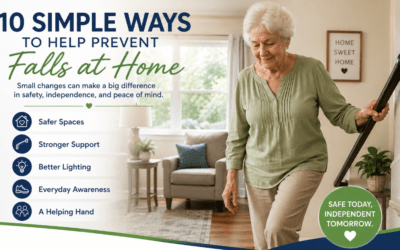
Welcome to our blog. We post new articles each week, to help you with staying independant in your home.
preventing falls in older adults and elderly

surgery recovery help
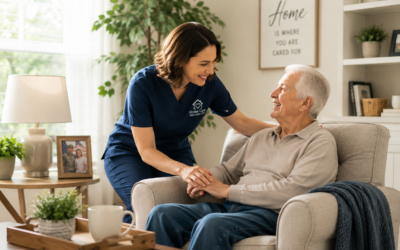
Bringing Comfort and Care Where It Matters Most Every year, thousands of families across the country choose to support their aging relatives in the comfort of their own homes. In-home elder care isn’t just a practical solution; it’s a heartfelt decision that...
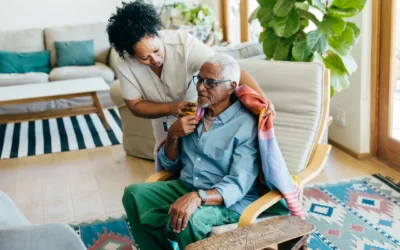
Stay Independent, Stay Home: The Future of Personalized Care Imagine recovering from surgery, managing a chronic condition, or supporting a loved one with a disability, all without the stress of assisted living transitions. This is the growing reality for countless...

An increasing number of families across the country are choosing to support their aging loved ones in the comfort of their own homes, transforming living rooms into care centers and turning familiar hallways into supportive pathways. This shift isn’t just about convenience—it reflects a deeper desire to preserve dignity, maintain routines, and foster emotional well-being during later life stages. In-home care allows seniors to age in place, surrounded by cherished memories and personal belongings, which can significantly improve mental health and overall quality of life.
Unlike institutional settings, personalized care at home offers flexibility, one-on-one attention, and a reduced risk of infections common in shared environments. Whether managing chronic conditions, assisting with daily activities, or simply providing companionship, in-home care adapts to the individual’s needs. Readers will explore practical strategies for creating safe home environments, identifying key care requirements, understanding local support options, and navigating family dynamics. You’ll also learn how proactive planning can ease transitions and prevent crises. For families across urban neighborhoods and suburban communities alike, keeping care at home is no longer the exception—it’s becoming the preferred standard.
Ensuring a safe living environment is a crucial part of caring for aging parents at home. Follow these step-by-step actions to reduce fall risks and improve daily accessibility.
Creating a consistent daily care routine is essential for maintaining the well-being of aging parents at home. A well-structured plan supports physical health, proper nutrition, mobility, and mental clarity. Follow these steps to build an effective, sustainable routine:
Consistency and adaptability are key—adjust the routine as needs evolve to ensure long-term comfort and care.
Maintaining emotional well-being is a cornerstone of successful aging in place. As parents grow older, isolation can quietly take hold—especially if mobility declines or local friends move away. Emotional support isn’t just about presence; it’s about meaningful engagement that fosters a sense of purpose and joy. Daily conversations, shared meals, or simply sitting together can significantly reduce feelings of loneliness and anxiety.
Companionship plays a vital role in cognitive and emotional health. Consider building a routine that includes:
For families in cities like Charleston or Columbia, South Carolina, tapping into neighborhood networks and regional senior programs can strengthen social ties. Encourage your loved one to stay mentally active through storytelling, journaling, or reminiscing about life experiences. Pets, when manageable, also offer comforting companionship.
By proactively supporting emotional health and social connection, families help aging parents feel valued, heard, and integrated into the rhythm of daily life—key ingredients for a fulfilling, independent lifestyle at home.
Knowing when and how to bring in professional support can significantly improve both your aging parent’s quality of life and your own peace of mind. Here’s what to consider when navigating in-home care options:
How can I ensure my parent takes medications correctly while living at home? Managing medications is a top concern for families. Create a structured routine using a labeled pill organizer and keep a printed medication schedule that includes dosages, times, and purposes. Consider using a smart dispenser with alerts or a mobile app that sends reminders. Store medications securely and review prescriptions regularly with a healthcare provider to avoid interactions. Always involve a professional caregiver when complex regimens are involved.
What should we do if there’s a medical emergency at home? Prepare in advance by posting emergency numbers—like 911 and your parent’s physician—near every phone. Ensure smoke detectors and medical alert systems (such as fall detection pendants) are fully functional. Train family members and caregivers in CPR and emergency protocols. Keep a medical summary—including conditions, allergies, and medications—easily accessible.
How can we improve quality of life for an aging parent at home? Focus on engagement, comfort, and independence. Encourage participation in hobbies, virtual social events, and light physical activity. Modify the home to reduce fall risks—add grab bars, improve lighting, and remove tripping hazards. Regular visits from compassionate caregivers can reduce isolation and support emotional well-being.
Who can help with daily care tasks like bathing and meals? Skilled home care aides provide hands-on support with personal hygiene, mobility, and nutrition. They’re trained in safe transfer techniques and dietary planning for chronic conditions.
Is in-home care available during nights or weekends? Yes, many providers offer 24/7 coverage options, including overnight supervision and weekend respite care, especially in metro areas like Charleston and surrounding communities.
How do we know if home care is right long-term? Assess needs regularly. If managing symptoms, safety, or daily tasks becomes overwhelming, professional in-home services can sustain independence longer.
Choosing to care for aging parents at home is a deeply meaningful decision that supports their dignity, emotional well-being, and quality of life. As this guide has shown, in-home senior care offers far more than medical support—it fosters independence, reduces stress, and strengthens family bonds within the comfort of familiar surroundings. By addressing common challenges like mobility limitations, medication management, and emotional isolation, families can create a safe, nurturing environment tailored to their loved one’s unique needs.
To move forward with confidence:
You’re not alone on this path. Many families across the country have successfully navigated similar journeys, and support is available to help you every step of the way. If you’re ready to enhance your caregiving approach, reach out to trusted providers through your website to discuss personalized options. With the right tools and support, you can provide exceptional care—right at home.